What Elevates It to "Elixir" Status
- The Scarcity Economics: A single hive of Melipona beecheii (the stingless bees native to the Yucatán Peninsula) produces only about 1 to 2 liters of honey per year. Compare that to a standard European honeybee hive, which easily pumps out 30 to 50 kilograms annually. It is a finite, seasonal treasure.
- The Bioactive Profile: Because Melipona bees store their honey in round pots made of a mixture of propolis (bee glue) and plant wax—rather than open hexagonal wax combs—the honey cures inside the hive. This process infuses it with incredibly high levels of flavonoids and phenolic acids, giving it massive antioxidant and antimicrobial properties.
- Distinct Sensory Experience: It defies what people expect from honey. It has a much higher moisture content, making it naturally fluid, light, and almost pourable. Taste-wise, it delivers an intense, bright acidity that balances out the sweetness, carrying the direct, complex botanical notes of the tropical canopy.
The Sacred Connection: For the Maya, this honey was Xunan Kab (the Royal Lady), treated not as food, but as a sacred medicine for treating ocular, respiratory, and post-partum ailments.
Positioning it as a luxury wellness elixir honors its deep cultural roots while speaking directly to modern consumers who are looking for authentic, scientifically backed functional foods.
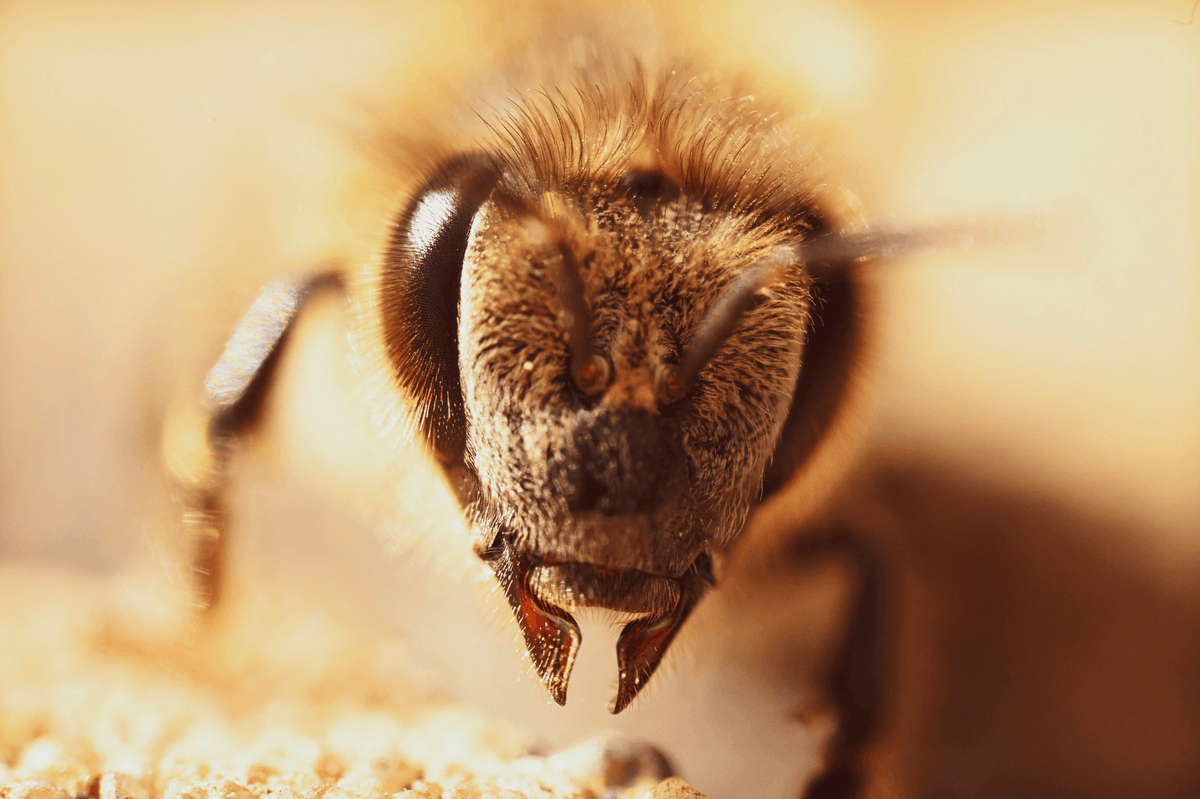
The Sacred Canopy • Botanical Alchemy
Melipona Honey: Why This Liquid Gold is the Ultimate Luxury Wellness Elixir
Beyond sweetness lies a hyper-rare, biologically complex medicine born from ancient Mayan heritage.
In the standard landscape of modern wellness, terms like "superfood" and "elixir" are often thrown around with careless frequency. Yet, tucked deep within the pristine, biodiverse canopies of the Yucatán Peninsula, a genuinely miraculous substance challenges our very understanding of natural healing. This is Melipona honey—known anciently to the Maya as Xunan Kab, or "The Royal Lady." It is not merely an alternative to standard table honey; it is a profound, hyper-rare biological masterpiece that commands a rightful place at the absolute zenith of luxury functional wellness.
To understand why Melipona honey routinely commands astronomical prices—often exceeding hundreds of dollars per kilogram—one must look beyond the kitchen pantry and step into a world of evolutionary isolation, cultural reverence, and astonishing biochemistry.
1. The Economics of Ultra-Scarcity
The foundational hallmark of true luxury is scarcity, and Melipona honey is one of the rarest natural substances on earth. The tiny, stingless
Melipona beecheii bees are notoriously delicate and entirely symbiotic with the vanishing native forests of Central America. Unlike standard European honeybees (Apis mellifera) that yield bountiful, industrial-scale quantities of honey, a single Melipona hive produces a remarkably minute quantity.
- Melipona Bee Hive: ~1.5 Liters (Average annual output of a single hive)
- European Honeybee Hive: ~40 Kilograms (Average annual output of a standard hive)
Because of this extreme biological limitation, harvesting Melipona honey is a meticulous, slow-motion ritual. The honey cannot be mechanically centrifuged or stripped away on an assembly line. It must be painstakingly extracted, drop by drop, using sterile syringes directly from the bees' hand-built storage pots. This is a finite, highly seasonal treasure that simply cannot be mass-produced.
2. A Living Alchemy: The Fermentation Factor
Standard honey is stored in open, hexagonal wax combs designed for rapid evaporation and dehydration. Melipona bees operate on a completely different architectural blueprint. They build cluster-like, egg-shaped vessels out of cerumen a profound, proprietary blend of plant resins, propolis, and organic wax.
The honey is sealed inside these propolis pots for months, where it undergoes an active, slow-curing fermentation process. This unique setting gives Melipona honey its distinctively fluid, pourable texture and an incredibly complex sensory profile: sharp, bright, citrus forward acidity perfectly balancing a deeply floral, woody sweetness. This natural fermentation dramatically multiplies its bioavailability and infuses it with extraordinarily high concentrations of bioactive compounds.
"Melipona honey is not merely an ingredient; it is a historical record of the tropical canopy, aged in a vessel of medicinal propolis."
3. The Clinical & Molecular Difference
From a biochemical standpoint, Melipona honey behaves far more like a pharmaceutical-grade ointment than a culinary sweetener. Because of its intense concentration of flavonoids and phenolic acids, it exhibits antimicrobial, anti-inflammatory, and regenerative capabilities that outclass almost any other honey on earth.
Biological Metric ~~~ Melipona Honey (Xunan Kab) ~~~ Standard Honey (Apis Mellifera)
Hive Storage ~~~ Medicinal Propolis & Cerumen Pots ~~~ Pure Hexagonal Wax Combs
Moisture & Body ~~~ High fluid content, naturally fermented ~~~ Low moisture, viscous, thick syrup
Primary Use ~~~ Ocular, respiratory, and cellular healing ~~~ Culinary sweetener and basic energy source
Bioactive Profile ~~~ Unrivaled levels of phenols and organic acids ~~~ Standard, heat-sensitive enzyme levels
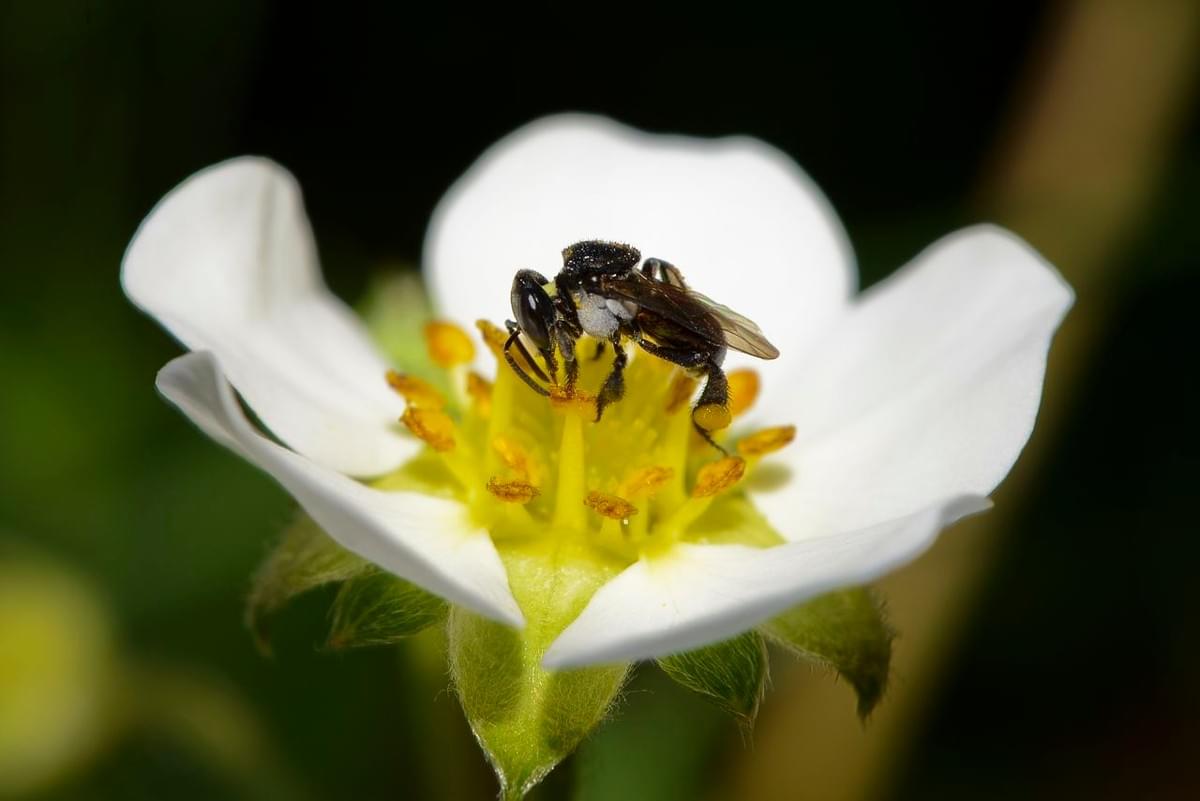
MELIPONA Stingless Bee Raw Honey Gift Pack 8 fl.oz / One Eye Dropper 0.5 fl.oz Not Diluted Pure ORDER HERE
$92.99